
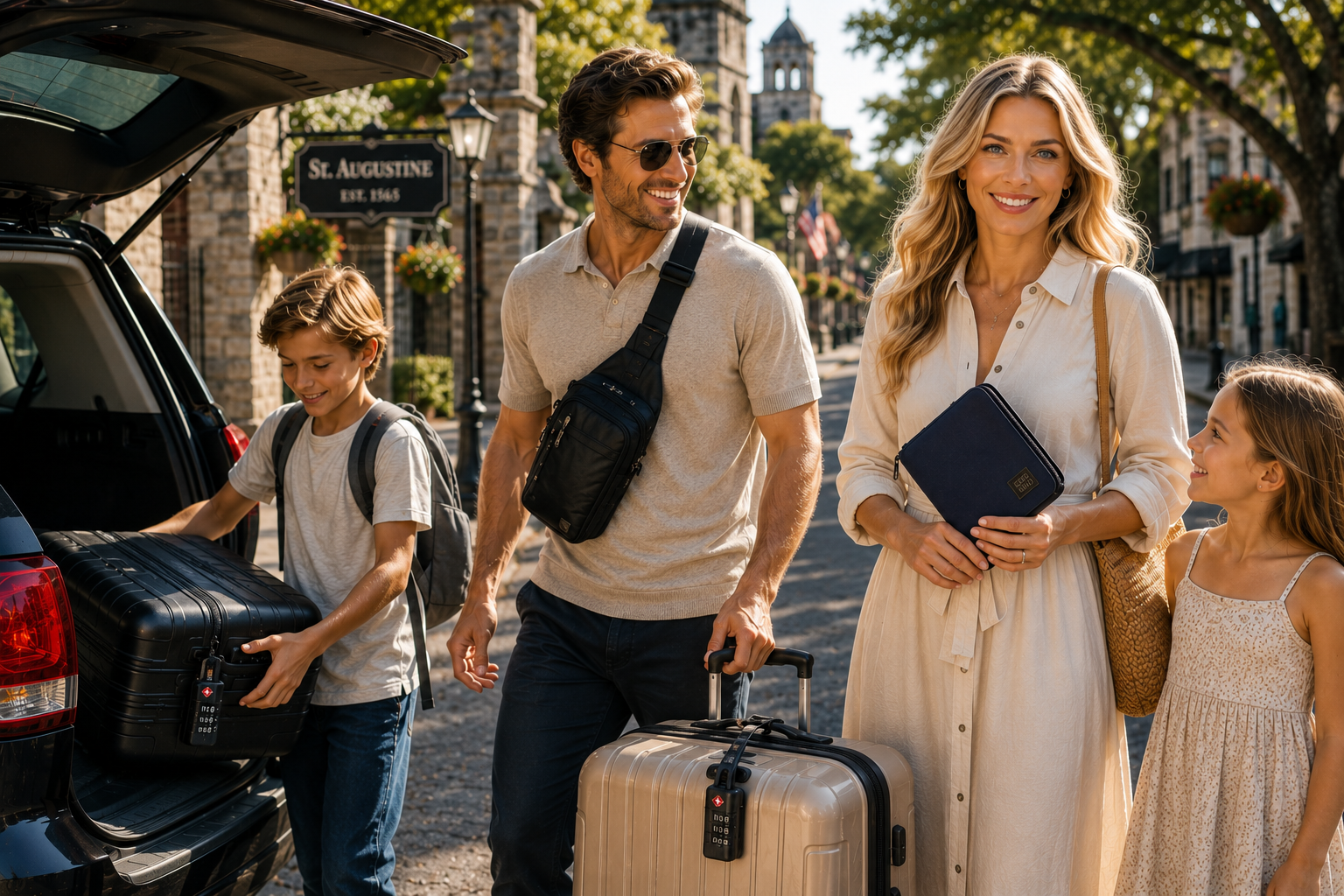

If you’re planning a trip to St. Augustine, especially with children or if you’ve never visited before, you may be wondering how safe the city actually feels once you’re here.
The short answer: St. Augustine is generally a comfortable destination for visitors, and most travelers explore the Historic District, beaches, attractions and restaurants without experiencing a safety problem. The concerns worth preparing for are mostly the same practical ones you would think about in other busy vacation destinations: securing valuables, knowing where you’re walking after dark, keeping children close in crowds, and paying attention to beach and Florida weather conditions.
The more useful question isn’t simply “Is St. Augustine safe?”
It’s “What should I actually pay attention to while I’m there?”
That’s what this guide is designed to answer.
What Visitors Should Know at a Glance
St. Augustine welcomes families, couples, solo travelers and international visitors throughout the year. The Historic District is a heavily visited tourism area filled with restaurants, hotels, museums, shops and attractions.
You don’t need to plan your vacation around avoiding large portions of St. Augustine.
Instead, focus on a handful of practical precautions:
- Lock your vehicle and don’t leave valuables visible inside.
- Keep phones, wallets and bags with you at restaurants and attractions.
- Don’t leave belongings unattended at the beach.
- Stay on familiar, well-traveled routes when walking late at night.
- Keep younger children close during festivals and busy weekends.
- Take Florida heat, thunderstorms, surf and rip-current conditions seriously.
Those precautions address many of the situations most likely to turn an otherwise great vacation into a frustrating one.
A Local Perspective on Safety in St. Augustine
Visitors sometimes imagine “safety” as a question of whether there are neighborhoods they need to avoid or whether they should be nervous walking around downtown.
For most vacationers, that’s not how a St. Augustine trip feels.
The Historic District is a tourism district. During the day, St. George Street, the Plaza de la Constitución, Castillo area, bayfront and surrounding streets can be packed with people walking between attractions, restaurants and shops.
The city doesn’t suddenly shut down when the sun goes down, either.
Restaurants remain busy. Ghost tours head through downtown. People walk the bayfront. Visitors return to hotels and parking areas after dinner.
That doesn’t mean you should abandon normal precautions. It means you generally don’t need to spend your vacation looking over your shoulder.
The situations I’d pay more attention to are much more ordinary: leaving something valuable visible in a vehicle, taking an unfamiliar shortcut late at night, losing track of a child in a crowded pedestrian area, leaving a bag unattended at the beach, or underestimating Florida’s heat and surf.
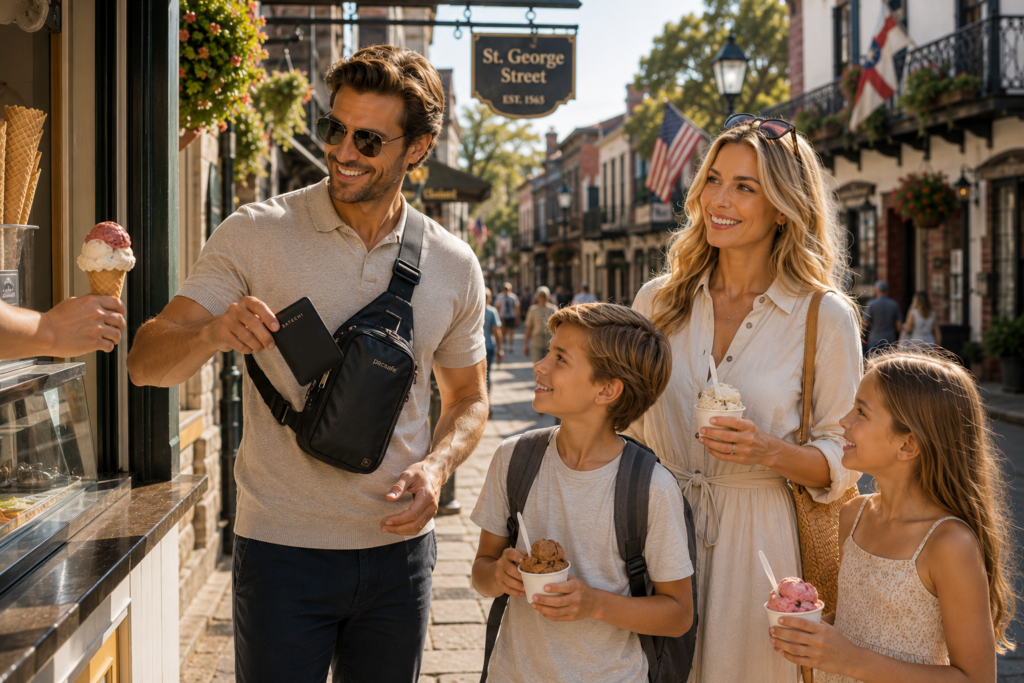
Is Downtown St. Augustine Safe at Night?
For most visitors, downtown St. Augustine remains comfortable to explore in the evening, particularly around the heavily traveled portions of the Historic District.
St. George Street and the surrounding restaurant areas can remain busy well after many daytime attractions close. Ghost tours and evening activities also keep visitors moving through downtown after dark.
Still, nighttime is when I’d be more deliberate about where I’m walking.
If you’re returning to a hotel or parking area late in the evening, stay on the busier, better-lit streets instead of taking an unfamiliar shortcut simply because your phone says it’s a few minutes faster.
And before heading downtown, know where you’re parking.
That sounds minor, but wandering around looking for your vehicle at the end of a long evening is one of those completely avoidable vacation headaches.
Planning to drive downtown? Read our Downtown St. Augustine Parking Guide before you go.
Local Tip
Take a screenshot or drop a pin showing where you parked before walking away from your vehicle. Historic streets and similarly named parking areas can become surprisingly confusing after several hours of sightseeing.
Vehicle Break-Ins and Property Theft: The Easy Risk to Reduce
One of the simplest precautions you can take is to leave nothing tempting visible inside your vehicle.
That means purses, backpacks, shopping bags, cameras, electronics and beach gear.
If something needs to stay in the vehicle, put it out of sight before arriving at your destination rather than standing beside the car rearranging valuables after you’ve parked.
And always lock the vehicle—even when you’re making what feels like a quick stop.
This isn’t advice unique to St. Augustine. It’s good travel practice almost anywhere.
The important distinction is that this is a risk you can dramatically reduce with almost no inconvenience.
What About St. George Street and Crowded Events?
St. George Street is a pedestrian area and one of the busiest places visitors experience in St. Augustine.
On an ordinary weekday it can be relatively easygoing. During holidays, festivals, Nights of Lights and busy weekends, downtown can become extremely crowded.
For families, the bigger concern may simply be keeping everyone together.
If you’re traveling with children, choose an obvious meeting location before entering a particularly crowded area. Make sure older children know what to do if they become separated, and keep younger children close.
Dense crowds are also a good reason to keep wallets, purses and phones secure instead of placing them somewhere easy to forget or lose.
Don’t Do This
Don’t put your phone, wallet or keys down “for just a second” while eating, shopping, taking photographs or managing children.
Vacation distraction causes a lot of unnecessary problems.
Are St. Augustine’s Beaches Safe?
Beach safety is different from downtown safety.
At St. Augustine Beach, Vilano Beach and other nearby beaches, the ocean and weather deserve at least as much attention as your belongings.
Check current beach and surf conditions. Pay attention to posted warnings and flags. Take rip currents seriously. Florida thunderstorms can also develop quickly, particularly during warmer months.
And don’t underestimate the sun.
A beautiful breezy day near the water can make it easy to forget how much sun exposure you’re getting.
From a property standpoint, don’t leave everyone’s phones, wallets and bags unattended while the entire group heads into the water. Have someone remain with important belongings or bring only what you actually need.
Traveling with children? Establish where everyone should meet if someone becomes separated before they enter the water.
Is St. Augustine Safe for Families?
St. Augustine is a very popular family destination.
The Historic District has museums, historic attractions, trolley tours, restaurants and pedestrian areas, while Anastasia Island and the beaches add completely different experiences.
For parents, I’d concentrate less on crime and more on crowds, traffic, heat and keeping children together.
Historic St. Augustine wasn’t designed around modern traffic patterns. Streets can be narrow, sidewalks can become crowded, and children may be distracted by shops, performers, horses, trolleys and attractions.
Use designated crossings, don’t assume drivers see you, and keep younger children close near active streets.
If you’re visiting during the hotter months, build indoor stops into the middle of the day and keep everyone hydrated.
What About Solo Travelers?
Solo travelers can enjoy St. Augustine without treating it differently from other popular visitor destinations.
The same fundamentals apply: know where you’re going, stay aware of your surroundings, don’t become so distracted by your phone that you stop paying attention to what’s around you, and choose busier routes late at night.
If you’re going out in the evening, know how you’re getting back to your hotel before you leave.
That’s particularly useful if you’re staying outside the walkable Historic District.
What About Homelessness Downtown?
Like many cities and popular tourism districts, downtown St. Augustine has people experiencing homelessness.
Visitors may occasionally encounter someone sitting in a public area or asking for money.
For most travelers, these interactions are brief and uneventful. If someone asks you for money and you don’t wish to give, you can simply decline and continue on your way.
The presence of homelessness should not be confused automatically with a threat to visitors.
Use the same awareness and judgment you would in any public area.
Areas Where Visitors Spend Most of Their Time
Most first-time visitors spend the majority of their vacation in and around:
- Historic Downtown
- St. George Street
- The Bayfront
- Lincolnville
- Anastasia Island
- St. Augustine Beach
- Vilano Beach
These are major visitor areas containing hotels, vacation rentals, restaurants, museums, attractions, beaches and shopping.
If you accidentally find yourself somewhere unfamiliar late at night, there’s rarely a reason to panic. Head back toward the busier visitor corridors or use your preferred navigation or transportation service.
The Safety Issues I’d Actually Plan Around
If I were helping someone plan their first St. Augustine vacation, I wouldn’t tell them to spend their trip worrying about crime.
I’d tell them to plan around the things they can actually control.
Protect the car. Don’t leave valuables visible.
Know where you’re parking. Especially if you’ll return after dark.
Secure your belongings. Restaurants, beaches and crowded attractions are easy places to become distracted.
Have a plan for children. Crowds can become substantial during major events.
Respect the ocean. Check surf conditions and take rip-current warnings seriously.
Respect Florida weather. Heat, sun and thunderstorms can affect a vacation faster than many visitors expect.
Know how you’re getting home. If you’re going out at night, don’t wait until you’re tired to figure out transportation.
That’s the kind of preparation that actually makes a difference.
Need Help During Your Visit?
Helpful Local Resources
Helpful Local Resources
Just in Case
Essential local contacts for medical care, roadside assistance, visitor support and unexpected situations during your stay.
Emergency Assistance
Emergency Services
Police, Fire or Medical Emergency
Call 911 for an immediate threat to life or property, a serious accident, fire or medical emergency.
Police — Non-Emergency
Local Police Assistance
St. Augustine Police Department
Use the non-emergency line when police assistance is needed but there is no immediate danger.
151 King Street
St. Augustine, Florida 32084
Hospital & Emergency Room
Emergency Medical Care
UF Health Flagler Hospital
Emergency medical care for serious illnesses, injuries and other urgent medical situations.
400 Health Park Boulevard
St. Augustine, Florida 32086
Urgent Care Centers
Minor Illnesses & Injuries
Urgent care may be appropriate for an illness or injury that requires prompt attention but is not a medical emergency.
Confirm current hours and patient availability before traveling to a location.
Open Pharmacy
Prescriptions & Essentials
Find nearby pharmacies and review their current operating hours before leaving your hotel or vacation rental.
Prescription-counter hours may differ from the store’s general operating hours.
Roadside Assistance
Vehicle Assistance
Travelers using a rental vehicle should contact their rental company first. Roadside support may already be included in the rental agreement or optional protection package.
AAA members can request assistance by telephone. Call 911 when a roadside situation presents an immediate danger.
Visitor Information Center
Local Visitor Assistance
St. Augustine & St. Johns County Visitor Information Center
Find local maps, parking information, attraction details, event information and general visitor assistance.
10 S. Castillo Drive
St. Augustine, Florida 32084
Listed hours are 8:30 a.m.–5:30 p.m. daily, excluding Thanksgiving and Christmas Day.
Protecting the Trip You’ve Paid For
Safety isn’t only about what happens while you’re walking around St. Augustine.
A lost bag, canceled trip, unexpected illness or other travel disruption can become expensive quickly, particularly when flights, hotels, cruises or prepaid experiences are involved.
That’s where travel protection may be worth considering.
Travel insurance can potentially provide coverage for eligible trip interruptions or delays, baggage problems, emergency medical expenses and other covered events depending on the policy.
It isn’t necessary for every traveler or every trip. The decision makes more sense when you’ve prepaid a significant amount of money, are flying or cruising, are traveling internationally, or have trip costs you couldn’t comfortably absorb if plans changed unexpectedly.
We work with Faye Travel Insurance, an award-winning provider that offers modern travel protection backed by an easy-to-use mobile app. Coverage varies by plan, and our travel specialists are happy to help you compare options and recommend coverage that’s right for your trip. Additional information is available in Faye’s consumer guide.
Planning a longer vacation, cruise, or family getaway? We’d be happy to send you a complimentary travel insurance quote.
→ Email us travel@saintaugustineflorida.net
Travel Essentials That Can Make a Trip Easier
Travel Smarter Essentials
The best vacations are relaxing—but they're also well prepared. These are a few travel products our team recommends to help protect your valuables, stay organized, and give you extra peace of mind while exploring St. Augustine and beyond.
 Travel Documents Protected
Travelambo Leather Passport Holder Cover Case
Keep your passport, boarding pass, credit cards, and travel documents organized in one RFID-blocking case designed to help protect your personal information while traveling.
 Secure Everyday Carry
Pacsafe GO Anti-Theft Sling
Designed for travelers, this premium anti-theft sling features locking zippers, RFID-blocking pockets, and slash-resistant materials to help protect your valuables while exploring.
 Never Lose Track
Apple AirTag (4-Pack)
Track luggage, backpacks, keys, camera bags, or other valuables using Apple's Find My network. A simple way to add confidence to every trip.
 Secure Your Luggage
Forge TSA Combination Lock
A durable TSA-approved combination lock that helps protect checked luggage while allowing airport security to inspect your bag when necessary.
 Luxury Passport Protection
Satechi FindAll Passport Cover
A premium passport cover with built-in Apple Find My technology, RFID protection, and storage for travel essentials—designed for travelers who appreciate both style and peace of mind.
 Family Travel Organized
Zero Grid RFID Family Passport Holder
Designed for families and frequent travelers, the Zero Grid RFID Family Passport Holder keeps passports, boarding passes, cash, credit cards, travel documents, and other essentials securely organized in one compact zippered organizer.
Need Help During Your Visit? Frequently Asked Questions
Is St. Augustine safe for tourists?
Generally, yes. St. Augustine is a heavily visited tourism destination, and most travelers explore the Historic District, beaches, restaurants and attractions without experiencing safety problems. Normal precautions such as locking your vehicle, securing valuables and staying aware of your surroundings are appropriate.
Is downtown St. Augustine safe at night?
The busiest portions of the Historic District remain active into the evening with restaurants, visitors, tours and entertainment. Stay on familiar, well-traveled routes, particularly when walking back to a hotel or parking area late at night.
Is St. Augustine safe for families with children?
Yes. St. Augustine is popular with families. Parents should pay particular attention to crowded pedestrian areas, street crossings, Florida heat, beach conditions and having a plan in case children become separated during busy events.
Is St. George Street safe at night?
St. George Street is one of the city’s primary pedestrian tourism areas and can remain busy into the evening. Normal awareness is appropriate, and visitors walking farther from the busiest portions of downtown late at night should favor familiar, well-lit routes.
Should I worry about leaving things in my car?
Don’t leave valuables visible inside a parked vehicle. Lock the vehicle and place anything you don’t need out of sight before arriving at your destination.
Are St. Augustine’s beaches safe?
The beaches are popular with visitors, but beach safety requires attention to surf, rip currents, weather, sun and heat. Check current conditions, follow posted warnings and don’t leave important belongings unattended while swimming.
Do I need travel insurance for St. Augustine?
Not necessarily. It may be worth considering when you’ve prepaid substantial trip costs, are flying or cruising, are traveling internationally, or would have difficulty absorbing losses from a covered cancellation, interruption or emergency. Coverage depends on the specific policy.
Feel Comfortable About Your Trip—Then Enjoy It
St. Augustine isn’t a destination I’d tell visitors to approach with fear.
I’d tell them to arrive prepared.
Lock the car. Know where you parked. Keep your belongings with you. Watch the children in crowds. Respect the ocean and Florida weather. Use well-traveled routes late at night.
Then get on with the reason you came here.
Walk St. George Street. Explore the Castillo. Have dinner near the bayfront. Take the ghost tour. Spend a morning at the beach. Wander through centuries of history.
Good travel safety isn’t about spending your vacation worrying about everything that could happen.
It’s about taking care of the handful of things you can control so you can stop thinking about them and enjoy St. Augustine.
Continue Planning Your Vacation
Ready to keep planning?
Explore our guides to:
- Where to Stay in St. Augustine
- First-Time Visitor’s Guide
- Downtown Parking Guide
- Best Beaches in St. Augustine
- Top Things to Do in St. Augustine
Because the best vacations aren’t just memorable—they’re well planned.