


Should you visit St. Augustine in spring, summer, fall or winter? This local seasonal guide compares weather, crowds, beach conditions, events and important tradeoffs to help you choose the right time for your vacation.
The best time to visit St. Augustine depends less on finding one “perfect” month and more on deciding what you want your vacation to feel like. A couple planning long walks through the Historic District needs a different season than a family dreaming of warm beach days, while someone coming for Nights of Lights has already chosen an experience worth accepting a few crowds for.
Quick Answer: What Is the Best Time to Visit St. Augustine?
The best overall times to visit St. Augustine are March through early May and October through early November. These periods generally offer a comfortable balance for walking, outdoor dining, historic attractions and beach time. Summer is best for a beach-centered vacation, while late November through early January is best for experiencing Nights of Lights.
There is no bad season to visit, but there are bad combinations. Booking an August afternoon walking tour when you dislike heat is one. Expecting a quiet downtown hotel during the busiest Nights of Lights weekends is another. The goal is not simply choosing a date; it is matching the date to your travel style.
St. Augustine Seasons at a Glance
| Season | Best for | Main advantage | Important tradeoff |
|---|---|---|---|
| March–early May | First visits, couples and sightseeing | Comfortable conditions for walking and outdoor attractions | Spring weekends and special events can be busy |
| Late May–September | Beaches, pools and family vacations | Warm beach weather and long days | Heat, humidity and afternoon thunderstorms |
| October–early November | Couples, sightseeing and balanced trips | A strong mix of outdoor weather, beach possibilities and seasonal atmosphere | Atlantic hurricane season continues through November 30 |
| Late November–January | Nights of Lights and holiday travel | St. Augustine becomes one of Florida’s most atmospheric holiday destinations | Downtown rooms, parking and restaurants can be in high demand |
| February | Couples, history lovers and quieter getaways | Cooler walking weather outside the main holiday rush | Beach swimming may not appeal to everyone |
Where to Stay in Historic Downtown St. Augustine
Stay within walking distance of St. George Street, the bayfront, restaurants and historic attractions. Explore our recommended downtown hotels for first-time visitors, couples, families and luxury travelers.
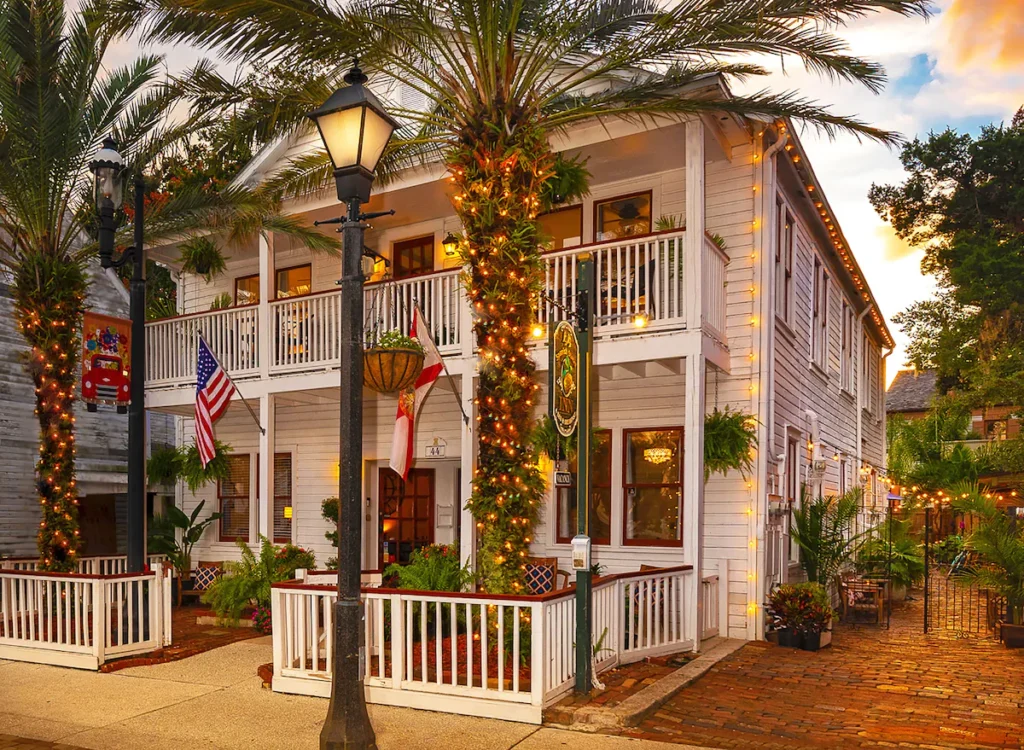 Adults-Only Historic Bed & Breakfast
 Courtesy of Hotels.com
44 Spanish Street Inn
A romantic downtown escape.
Escape to a charming adults-only bed and breakfast in the heart of Historic Downtown. With just a handful of beautifully appointed guest rooms, complimentary hot breakfast, and an unbeatable walkable location, 44 Spanish Street Inn is perfect for couples looking for a quiet, romantic stay.
 Steps from St. George Street
Courtesy of Hotels.com
Steps from St. George Street
Courtesy of Hotels.com
1880 Victorian Downtown Retreat
Stay in this Historic Victorian Inn steps from St. George Street.
Stay in a beautifully restored historic 1880 Victorian home in the heart of Historic Downtown St. Augustine. This charming one-bedroom apartment blends period character with modern comforts, making it an ideal home base for couples or solo travelers who want to park the car and explore the city's best restaurants, shops, museums, and attractions on foot.
Historic District
 Walk to Historic Downtown
Courtesy of Vrbo
Walk to Historic Downtown
Courtesy of Vrbo
Historic St. Augustine Balcony Apartment
Stay just minutes from St. George Street in this beautifully appointed downtown condo offering modern comforts, a full kitchen, and one of the best walkable locations for exploring Historic St. Augustine.
Historic District
 Historic Luxury Resort
Courtesy of Hotels.com
Historic Luxury Resort
Courtesy of Hotels.com
Casa Monica Resort & Spa
Stay in St. Augustine's Most iconic hotel.
An iconic luxury hotel in the heart of Historic Downtown, known for its Moorish-inspired architecture, upscale rooms, full-service spa, on-site dining, and exceptional walkability.
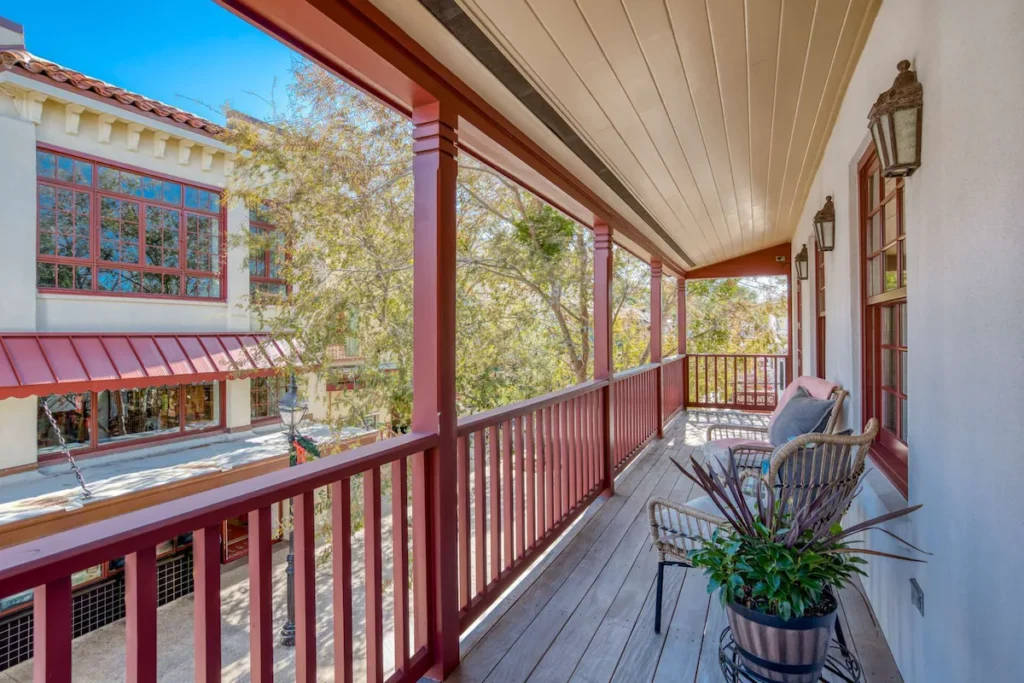 Above St. George Street
 Courtesy of Vrbo
Luxury Suite on St. George Street
Stay above the most famous street in St. Augustine.
Wake up in one of the most exclusive locations in Historic Downtown St. Augustine. This spacious luxury apartment overlooks iconic St. George Street and puts restaurants, shopping, historic landmarks, and live entertainment just steps from your door.
Historic District
 Historic Luxury
Courtesy of Vrbo
Historic Luxury
Courtesy of Vrbo
Villa 1898 “Ghost” Luxe Home
A beautifully restored 1898 luxury home tucked away on a quiet private lane in the heart of Historic Downtown. This exceptional vacation rental combines timeless architecture with modern comforts just steps from St. George Street.
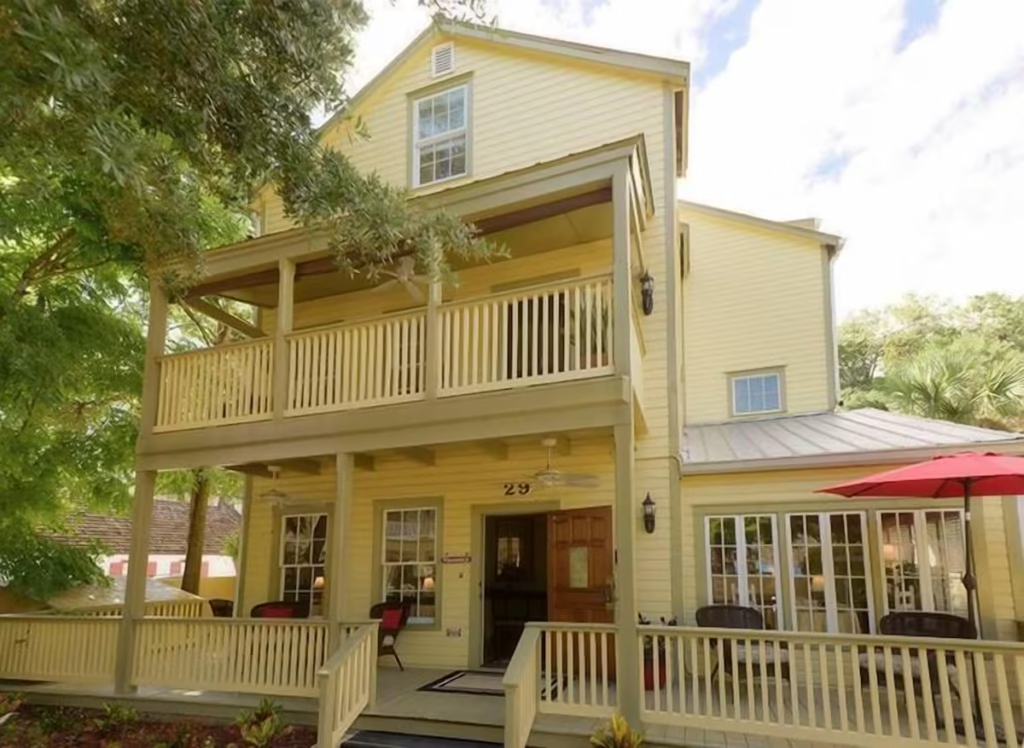 Historic Boutique Inn
Courtesy of Hotels.com
Historic Boutique Inn
Courtesy of Hotels.com
Agustin Inn
Nestled between St. George Street and Matanzas Bay, this charming historic inn offers elegant accommodations, a gourmet breakfast, and an unbeatable walkable location just steps from St. Augustine's best attractions, restaurants, and shops.
Spring: Best for Comfortable Sightseeing
Spring is one of the easiest seasons for a first visit because St. Augustine is a city that rewards walking. The Historic District is compact, but a full day can still include several miles of brick streets, museum floors, fort ramps and the occasional staircase that seemed like a much better idea from the sidewalk.
March and April are particularly well suited to exploring Castillo de San Marcos, walking the bayfront, visiting the Lightner Museum and climbing the St. Augustine Lighthouse. Spring also coincides with nesting activity at the St. Augustine Alligator Farm’s wading bird rookery, creating an additional reason for wildlife enthusiasts and photographers to visit.
Spring weekends can become busy, especially when concerts, festivals and school-break travel overlap. If your schedule is flexible, arrive Sunday through Thursday and stay downtown. You will have easier access to the Historic District in the morning and will not need to begin every day by searching for parking.
For hotel recommendations within walking distance of the city’s main attractions, use our guide to where to stay in Historic Downtown St. Augustine.
Summer: Best for a Beach Vacation
Summer makes the most sense when the beach, hotel pool and water activities are central to the trip. Families can spend the morning at St. Augustine Beach or Anastasia State Park, take a long air-conditioned break during the hottest part of the afternoon, and return downtown for dinner or an evening tour.
That order matters. Historic St. Augustine is beautiful in summer, but it does not become more historically significant because you walked every street at two in the afternoon with a triple-digit heat index.
Our guide to what to do when St. Augustine is too hot to walk explains how to divide the day between outdoor mornings, indoor afternoons and cooler evenings. It is also worth keeping our rainy-day guide handy. Summer thunderstorms do not have to ruin the day if you already know which museums, restaurants and family attractions can replace the beach for a few hours.
Not all local beaches offer the same experience. St. Augustine Beach is the easiest all-around choice for many families, Vilano Beach works well for travelers who want quick access to both the shore and downtown, and Crescent Beach offers a quieter coastal atmosphere. Our local comparison of the best beaches in St. Augustine will help you choose.
 Soar Above St. Augustine
Courtesy of Viator
Soar Above St. Augustine
Courtesy of Viator
Parasailing in Historic St Augustine
Take flight above the Atlantic on a high-flying parasailing adventure with panoramic views of St. Augustine’s coastline, lighthouse, Great Cross, beaches, inlet, and the historic city in the distance.


Local’s Tip
During summer, make the activity that matters most your morning plan. Afternoon weather can change quickly, and outdoor tours may be delayed or canceled. If the beach, boat tour or lighthouse is the reason you came, do it early and treat the rest of the day as flexible.
Fall: Best Overall for Couples and Balanced Vacations
October through early November may offer the best balance for travelers who want a little of everything. It can still feel coastal enough for the beach, while sightseeing generally becomes more comfortable than it is during the heart of summer. Fall also brings ghost-tour season, live music, festivals and a particularly good atmosphere downtown after sunset.
This is an excellent time for couples because the days can include both outdoor activities and relaxed evenings. Take a morning walk through the Historic District, enjoy the beach or a boat ride during the afternoon, and finish with dinner and a haunted-history experience. Our romantic weekend guide provides specific hotel, dining and date-night recommendations.
The tradeoff is that the official Atlantic hurricane season continues through November 30. That does not mean travelers should avoid fall altogether, but it does mean checking cancellation terms and considering travel insurance for prepaid lodging and experiences.
[TRAVEL CARD PLACEMENT: Experience Spotlight — curated ghost-tour selection for couples, families and paranormal enthusiasts. Place after the fall section to connect seasonal interest with the existing ghost-tour inventory.]
Winter: Best for Nights of Lights and Holiday Atmosphere
Winter in St. Augustine is not a traditional Florida beach vacation. It is a historic-city getaway with cooler walks, illuminated streets, festive dining and one of the state’s signature holiday celebrations.
Nights of Lights transforms the Historic District with approximately three million white lights. For the 2026–2027 season, the display is scheduled to begin November 21, 2026, and continue through January 18, 2027. The lights are free to enjoy on foot, although trolley rides, boat tours and other viewing experiences are available.
This is the right season for travelers who prioritize atmosphere over solitude. Popular weekends can produce heavy traffic, limited restaurant availability and high demand for downtown accommodations. Book the room first, then secure any must-do tour and dinner reservations.
Staying downtown is especially valuable during this season because it allows you to experience the lights early in the morning and later at night, outside the busiest evening window. It also lets you avoid moving your car unnecessarily. If you are driving in for the evening, review our Downtown St. Augustine Parking Guide before arriving.
Best Downtown Hotels for Nights of Lights
Stay close enough to enjoy the lights before the evening crowds arrive—and return after they begin to thin. These walkable downtown hotels are especially well positioned for Nights of Lights, restaurants, tours and the bayfront.
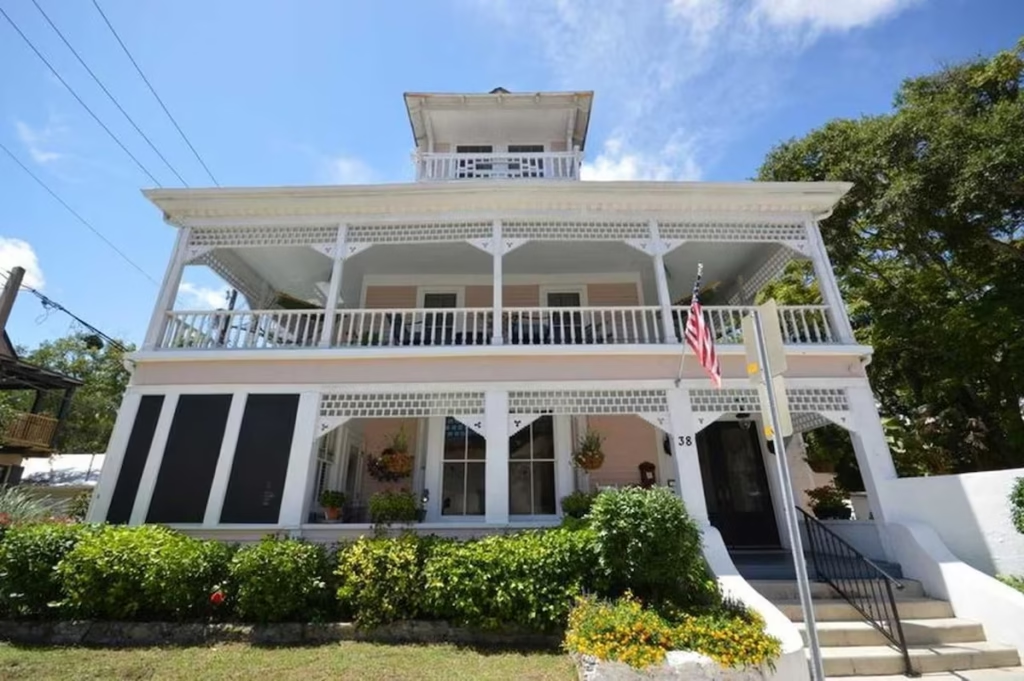 Historic Luxury Inn
The Kenwood Inn
Stay in one of St. Augustine's most beloved historic bed and breakfasts, where elegant accommodations, gourmet breakfasts, and a saltwater pool are all just a short walk from St. George Street and the city's top attractions.
 Waterfront Downtown Stay
Courtesy of Hotels.com
Waterfront Downtown Stay
Courtesy of Hotels.com
Marion Motor Lodge
Stay directly across from the St. Augustine Municipal Marina at this classic waterfront motor lodge, where bay views, walkable access to the Historic District, and affordable rates make it an excellent value for exploring America's oldest city.
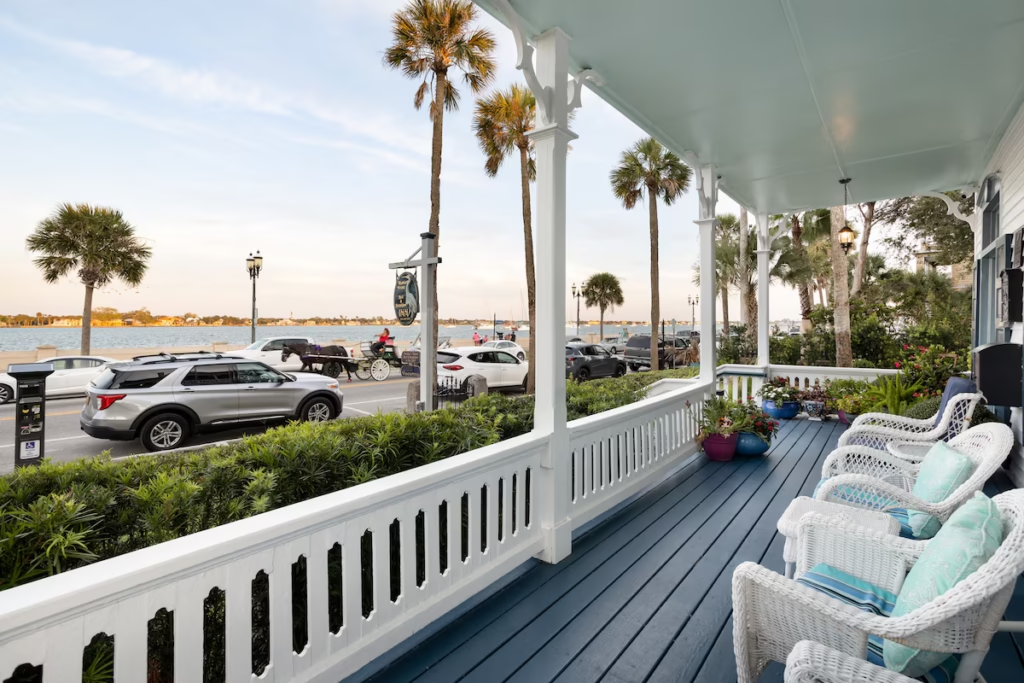 Luxury Bayfront B&B
Courtesy of Hotels.com
Luxury Bayfront B&B
Courtesy of Hotels.com
Bayfront Westcott House Bed and Breakfast
Overlooking beautiful Matanzas Bay, this award-winning luxury bed and breakfast combines gourmet breakfasts, personalized concierge service, and an unbeatable Historic District location for one of St. Augustine's most romantic stays.
 All-Suite Riverfront Stay Near Downtown
Courtesy of Hotels.com
All-Suite Riverfront Stay Near Downtown
Courtesy of Hotels.com
Homewood Suites by Hilton St Augustine San Sebastian
Located along the scenic San Sebastian River, Homewood Suites by Hilton features spacious suites with full kitchens, complimentary hot breakfast, and a walkable location less than a mile from Historic Downtown, making it one of St. Augustine's best options for extended stays and family vacations.
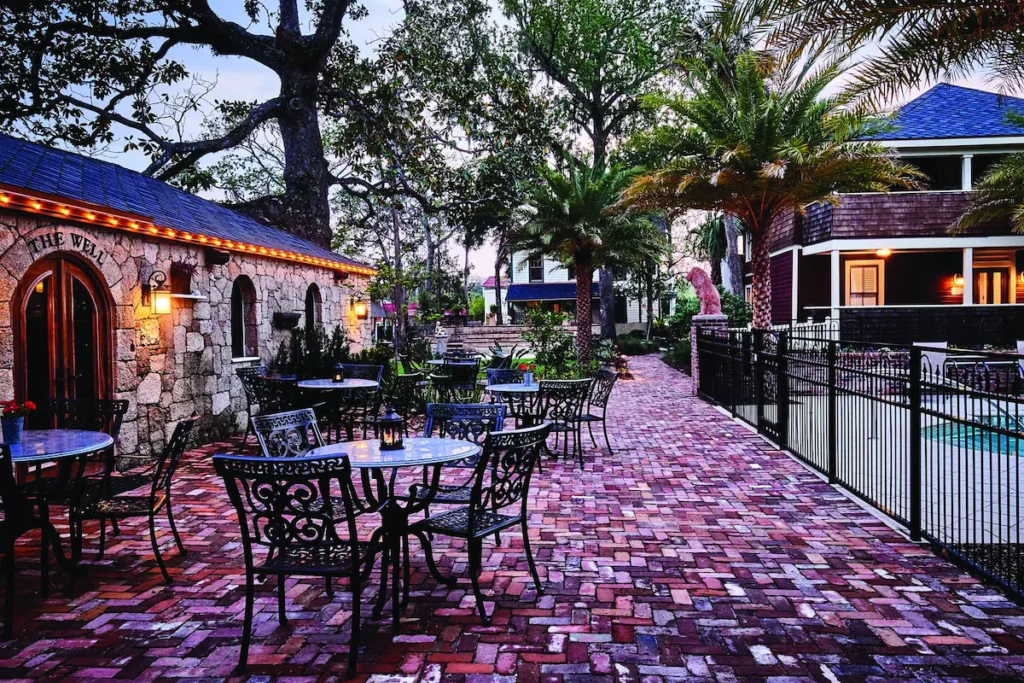 Luxury Adults-Only Boutique Inn
The Collector Inn
One of St. Augustine's most luxurious boutique hotels, The Collector blends nine restored historic homes into an elegant adults-only retreat. Guests enjoy upscale accommodations, beautifully landscaped gardens, a heated pool, complimentary evening social hour, and an unbeatable location in
 Historic Boutique Bed & Breakfast
Cedar House Inn
A beautifully restored Victorian bed and breakfast offering elegant rooms, gourmet breakfasts, and a peaceful location just a short walk from St. Augustine's top attractions. It's one of our favorite choices for a romantic getaway.
 Luxury Boutique Hotel by the Marina
Courtesy of Hotels.com
Luxury Boutique Hotel by the Marina
Courtesy of Hotels.com
Hotel Amalga
One of St. Augustine's newest boutique luxury hotels, Hotel Amalga blends Marriott Tribute Portfolio style with sophisticated coastal design, rooftop patios overlooking the marina, and an unbeatable location just steps from Historic Downtown.
 Historic Victorian Bed & Breakfast
Penny Farthing Inn
A charming Victorian bed and breakfast on a quiet, tree-lined street in Historic Downtown, offering elegant rooms, gourmet breakfasts, and an easy walk to St. Augustine's most popular attractions.
 Adults-Only Historic Inn
Courtesy of Hotels.com
Adults-Only Historic Inn
Courtesy of Hotels.com
Carriage Way Inn Bed & Breakfast
This award-winning adults-only Victorian bed & breakfast combines chef-prepared breakfasts, exceptional hospitality, and a prime Historic District location just steps from St. George Street, making it one of St. Augustine's most beloved romantic getaways.
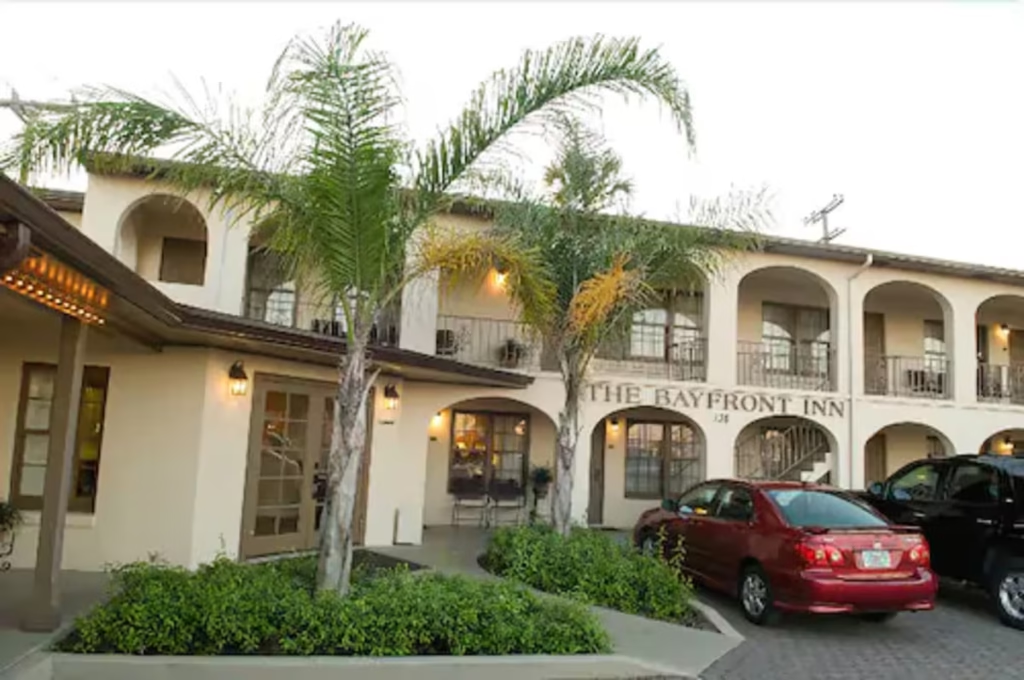 Historic Bayfront Hotel
Bayfront Inn
Stay directly on Matanzas Bay in the heart of St. Augustine's Historic District, where waterfront views, complimentary breakfast, free parking, and walkable access to the city's top attractions make every vacation effortless.
Best Downtown Hotels for Nights of Lights
Historic District
Explore allWhen Is St. Augustine Least Crowded?
For a generally quieter experience, consider a nonholiday weekday in February, September or early November. Crowd levels are influenced by more than the season, however. A concert, festival, holiday weekend or major downtown event can make an otherwise quiet period feel unexpectedly busy.
September can bring attractive lodging opportunities, but it still feels like summer and falls within hurricane season. February can be excellent for sightseeing, although visitors planning a beach-centered trip may prefer warmer months. Early November offers a useful middle ground before the busiest portion of holiday travel begins.
Rates and occupancy fluctuate too much to promise that one month will always be cheapest. Compare the total stay—not only the nightly rate—because a slightly more expensive downtown hotel may save money and considerable aggravation on parking and transportation.
Don’t Do This
Do not choose your travel dates based only on an average temperature chart. Humidity, rain, event schedules, hotel location and your planned activities affect the trip just as much. A warm day is wonderful at the beach and considerably less delightful during a three-hour afternoon walking tour.
So, When Should You Visit?
Choose March or April if this is your first trip and you want comfortable sightseeing. Choose summer if the beach and pool are the vacation. Choose October or early November for a balanced couples’ getaway. Choose late November through early January if Nights of Lights is the experience you most want to see.
Once you have selected the season, the next decision is how many days to stay and where to base yourself. Begin with our complete first-time visitor guide, then choose between a walkable downtown stay and a beach-centered vacation.
The best time to visit St. Augustine is ultimately the season that allows you to experience the city at the pace you will enjoy—not the month someone declared “perfect” without asking what you actually want to do.
5. Frequently Asked Questions
What is the best month to visit St. Augustine?
March, April, October and early November are strong choices for travelers who want comfortable sightseeing and outdoor activities. The best month still depends on whether you prioritize the beach, fewer crowds, holiday events or cooler walking weather.
How many days do you need in St. Augustine?
Most first-time visitors should allow two or three days. That provides time for the Historic District, major attractions, restaurants and at least part of a day near the beach without turning the trip into a race.
What is the rainiest time to visit St. Augustine?
Summer and early fall generally bring more heat, humidity and afternoon thunderstorms. Rain may be brief and localized, so visitors should check hourly forecasts rather than assuming an entire day will be lost.
When is hurricane season in St. Augustine?
The official Atlantic hurricane season runs from June 1 through November 30. Travelers visiting during this period should monitor forecasts and review hotel, tour and travel-insurance cancellation terms.
What is the best time to visit St. Augustine Beach?
Late spring through early fall is generally best for travelers whose priority is warm beach weather and swimming. Families should plan beach time for the morning during the hottest summer months.
When is Nights of Lights in St. Augustine?
The confirmed 2026–2027 Nights of Lights season runs from November 21, 2026, through January 18, 2027. Dates change between seasons and should be verified annually through the City of St. Augustine.
Is St. Augustine crowded at Christmas?
Yes. Nights of Lights makes the Historic District especially popular during holiday weekends and the period surrounding Christmas and New Year’s. Reserve downtown lodging, important dinners and tours early.